Step onto Daufuskie Island and it’s immediately clear—you haven’t just crossed a stretch of water, you’ve stepped back in time.
With no bridge to the mainland and no rush to modernize, Daufuskie holds onto a slower, more soulful version of coastal Carolina that’s becoming harder and harder to find.
One of the biggest reasons is its isolation.
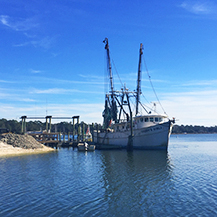
Accessible only by boat, the Island has avoided the kind of large-scale development that reshaped so many Lowcountry destinations. There are no traffic lights, chain stores, or high-rise condos here. Instead, sandy roads wind through maritime forests and golf carts replace cars as the main mode of transportation. Life simply moves at a gentler pace.
Daufuskie’s deep connection to Gullah Geechee heritage is another cornerstone of its authenticity.
Descendants of formerly enslaved Africans have lived on the Island for generations, preserving language, traditions, foodways and stories that are central to the cultural fabric of the Lowcountry. This living history isn’t staged or packaged—it’s woven into everyday life.
The Island’s natural landscape also plays a role.
Quiet beaches, tidal creeks, and untouched marshes look much as they did centuries ago. You won’t find rows of umbrellas or loud boardwalks—just wide-open shoreline, seabirds overhead, and the sound of the water. Nature leads here, not development.
Even the architecture and landmarks feel rooted in the past.
Historic churches, tabby ruins, and modest homes reflect a time when coastal living was about function, resilience, and community rather than flash. Newer structures tend to blend in rather than stand out, respecting the Island’s character.
Perhaps most importantly, Daufuskie still values community over convenience.
Neighbors know one another. Businesses are small and personal. There’s a shared understanding that preserving what makes the Island special matters more than chasing growth.
In a world that’s always speeding up, Daufuskie Island remains refreshingly grounded. It feels like old coastal Carolina, not because it’s frozen in time—but because it has chosen, intentionally, to hold onto what matters most.