The Melrose Cottage neighborhood on Daufuskie Island — from its plantation roots to the resort-era neighborhood and today.

1. Plantation Origins (18th–19th Century)
Long before it was a modern neighborhood, the area around what’s now called Melrose was one of the original plantations on Daufuskie Island. Before the Civil War, Daufuskie was divided into several large plantations, and Melrose was one of them — roughly 700–1,000+ acres of land devoted to Sea Island cotton and other plantation agriculture.
Melrose Plantation functioned as a largely self-sufficient estate, producing most of what its residents needed and relying heavily on enslaved African labor. Plantation owners often lived inland part of the year due to illness and disease threats, which isolated enslaved people and helped Gullah culture flourish.
After the Civil War, Union occupation led plantation owners to flee and formerly enslaved Gullah people returned and either lived in former slave quarters or built their own cabins nearby.
2. Gullah Culture and Post-Civil War Life
In the decades after the Civil War, the economy shifted — and much of the island’s life centered around oyster harvesting, timbering, and small-scale farming. Daufuskie oysters became famous across the U.S. before pollution closed the beds in the mid-20th century. Many Gullah families bought land and lived in the Island’s western section. This deep Gullah tradition strongly shaped the culture and built landscape around Melrose and the rest of the Island.
3. The Modern Melrose Resort Era (1980s–2000s)
Beginning in the 1980s, developers turned their attention back to Daufuskie’s oceanfront land, including the former Melrose Plantation site. This redevelopment plan envisioned a resort, golf course, beach club, cottages and residential community. Essentially, creating what people today refer to as the Melrose neighborhood or Melrose on the Beach. Amenities included a Jack Nicklaus-designed golf course, inns, oceanfront cottages and equestrian facilities. This phase transformed Melrose from historical farmland into a planned residential and resort community.
4. Decline and Abandonment
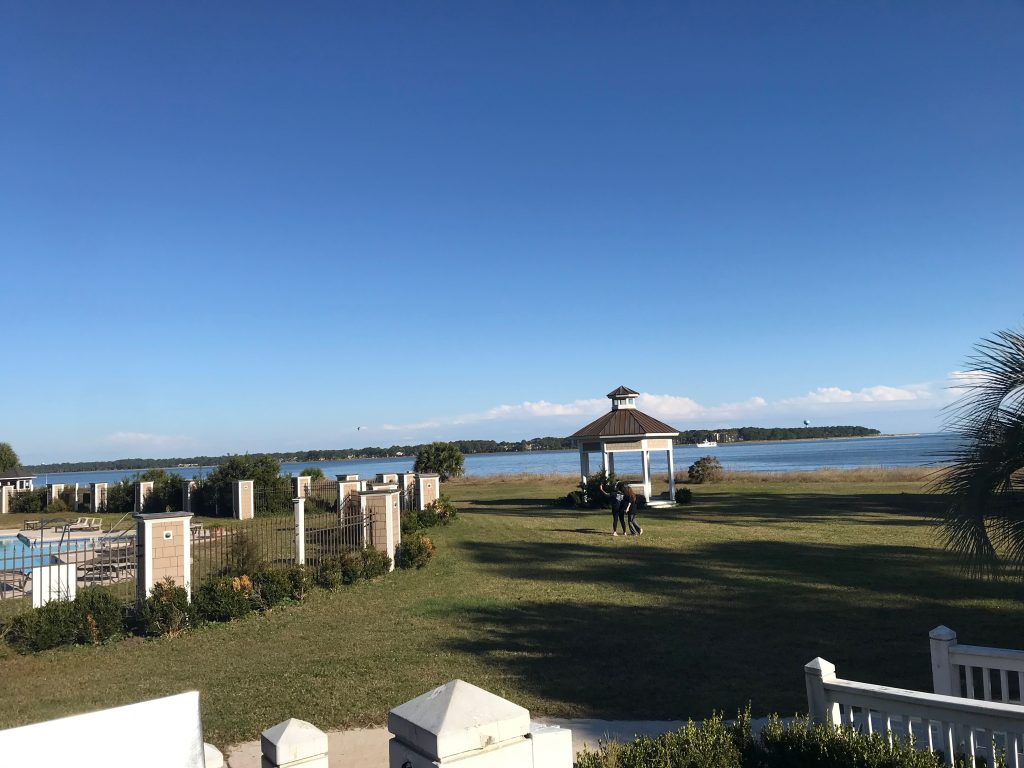
Unfortunately, the Melrose community did not flourish as planned. Financial difficulties hit in the early 2000s, and changes in ownership eventually led to bankruptcy. A Utah-based developer later took over but was indicted and convicted for fraud, leaving the resort parts in disrepair. The golf course, inn and many resort facilities closed, dilapidated or abandoned for years. After Hurricane Matthew in 2016, storm damage occured, leaving the once flourishing resort with an eerie and haunting presence.
5. Today’s Melrose Cottage Neighborhood
Today Melrose — often called Melrose Cottages or Melrose on the Beach — is a mixed residential area. Some homes are privately owned or rented as vacation properties. Island Head Rentals offers a number of these delightful oceanfront properties. The Daufuskie Rental Group also rents properties in the neighborhood. The neighborhood’s character is a blend of historic legacy and modern coastal living — with remnants of Daufuskie’s plantation past and traces of the failed resort vision visible throughout.
In short, while Melrose retains beautiful natural surroundings and a unique sense of place, its story is one of deep historical roots, ambitious modern development, and subsequent financial collapse — culminating in today’s quieter residential neighborhood with echoes of its dynamic past.