Haint: The Daufuskie Island Film Bringing Lowcountry Folklore to the Tribeca Film Festival and streaming on Hulu.
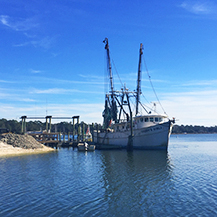
There are few places in the South as mysterious and captivating as Daufuskie Island. Accessible only by boat and rich with centuries of Gullah heritage, moss-draped oaks, quiet dirt roads, and timeless landscapes, the Island has long inspired artists, writers, and storytellers.
Now, it serves as the haunting backdrop for Haint, an atmospheric independent horror film that introduces audiences across the country to one of the Lowcountry’s most fascinating legends. The movie is directed by Jahmil Eady and stars Melanie Nicholls-King, Imani Lewis and Adalynn Bright.
What Is Haint About?
The synopsis is this: When rich people who move into a neighborhood start dying strangely, a woman from the Gullah Geechee community who just lost her house has to choose whether to help them or let them face whatever is happening on their own.
Drawing inspiration from Southern folklore, Haint explores the legend of restless spirits—known throughout the Gullah community as “haints”—that linger between the worlds of the living and the dead. While the film delivers supernatural suspense, it also weaves together themes of history, family, loss, and the enduring power of place.
Rather than relying solely on jump scares, Haint builds tension through its setting, allowing the Island’s natural beauty and isolation to become characters in the story. The result is a film that feels distinctly Lowcountry, where every winding dirt road and weathered oak seems to hold a secret.
Why Daufuskie Island Was the Perfect Setting
For filmmakers, finding authentic locations can make all the difference. Daufuskie Island offers something that cannot be recreated on a soundstage.
The Island remains one of the least-developed coastal destinations in the Southeast. With historic churches, maritime forests, abandoned structures, Spanish moss hanging from ancient live oaks, and miles of quiet shoreline, Daufuskie naturally creates an atmosphere that is both peaceful and eerie.
Its unique blend of beauty and mystery makes it an ideal location for a supernatural story rooted in Southern tradition.
The Meaning Behind a “Haint”
The word “haint” has deep roots in Gullah and Southern folklore. Traditionally, a haint is believed to be a troubled spirit that wanders the earth after death.
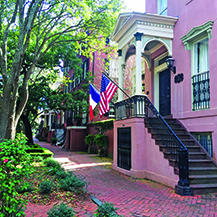
These beliefs influenced many familiar Lowcountry traditions, including the famous pale blue “haint blue.” This color paint is seen throughout coastal South Carolina and Georgia. Porch ceilings, window frames and shutters often are this blue hue. According to tradition, the color confuses or repels wandering spirits, protecting the home and those inside.
Whether viewed as history, folklore, or symbolism, these traditions remain an important part of the region’s cultural identity.
More Than a Horror Movie
One of the most compelling aspects of Haint is that it introduces audiences to Daufuskie Island itself.
Many viewers may discover the island for the first time through the film’s breathtaking scenery. Beyond its supernatural elements, the movie showcases the landscapes, waterways, and historic character that have made Daufuskie one of the Lowcountry’s hidden treasures.
For residents and visitors familiar with the Island, watching recognizable locations appear on screen adds another layer of appreciation. For everyone else, it offers a glimpse into a place unlike anywhere else along the East Coast.
Haint was created by Jahmil Eady with Rising Voices.
As part of Rising Voices, filmmakers such as Eady are selected to be in the program. They then have access to mentorship and advice from their advisory panel. The program aims to discover, invest in and amplify diverse perspectives through film.
Rising Voices is in collaboration with Lena Waithe, Hillman Grad Productions, and 271 Films.
For more information, click on Rising Voices, Go HERE.